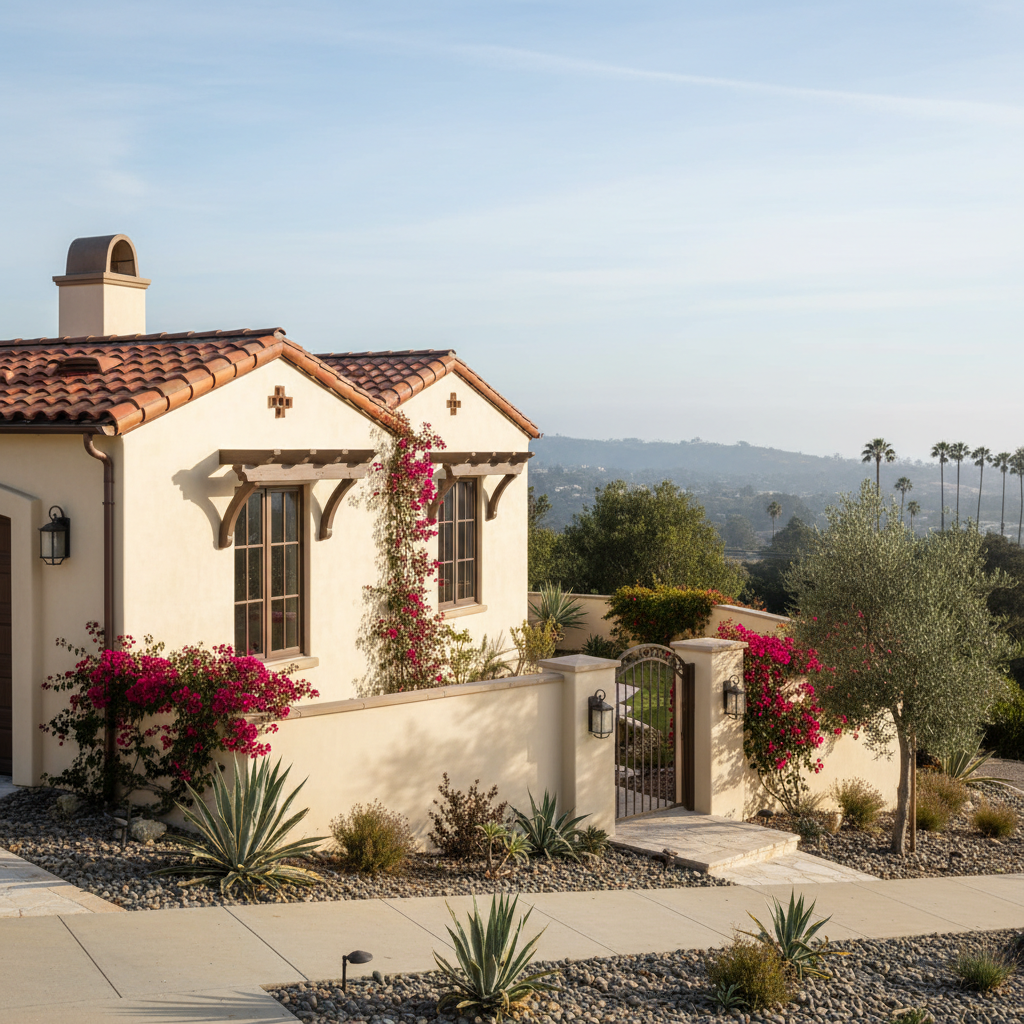
Alright, so you're thinking about getting some stucco work done on your place here in Santa Monica. Maybe it's a repair, a full re-stucco, or you're building new. Whatever it is, picking the right contractor is probably the most important decision you'll make. It's not just about the price; it's about getting a job that lasts, looks good, and doesn't give you headaches down the line. I've seen a lot of stucco in this town, good and bad, so let me lay out what you need to know.
What to Ask Before They Even Touch a Trowel
You wouldn't hire someone without asking them a few things, right? Treat this like an interview. You're hiring them to work on your biggest investment. Here's what I'd want to know if I were in your shoes:
"Are you licensed and insured?" This isn't just a nicety; it's a non-negotiable. They need a C-35 Lathing and Plastering contractor's license from the California Contractors State License Board (CSLB). Ask for their license number and check it yourself on the CSLB website. Make sure it's active and in good standing. And insurance? They need general liability and workers' compensation. If they don't have both, walk away. Period.
"How long have you been doing stucco specifically?" Someone who's been doing general construction for 20 years might only have a few years of actual stucco experience. Stucco is a specialized trade. You want someone who lives and breathes it.
"Can you provide references and examples of similar work?" Don't just take their word for it. Call those references. Drive by those jobs if they're local. See the quality of their work with your own eyes. Ask the homeowners about their experience, communication, and if the job finished on time and on budget.
"What's your process for surface preparation and application?" This is where the rubber meets the road, or rather, where the stucco meets your wall. A good contractor will explain their steps for preparing the substrate, applying the scratch coat, brown coat, and finish coat. They should talk about proper curing times, weep screeds, and flashing details, especially around windows and doors. This is critical for preventing water intrusion, which is a big deal with our coastal moisture here in Santa Monica.
"Who will actually be doing the work? Your crew or subcontractors?" Some companies sub out everything. That's not necessarily bad, but you want to know who's responsible and who you'll be dealing with day-to-day.
Decoding the Quote: What to Look For
Once you've got a few bids, don't just compare the bottom line. A cheap bid often means corners are being cut. Here's what a good quote should include:
Detailed Scope of Work: It should clearly outline everything they're going to do. What type of stucco system? How many coats? What kind of finish? What about repairs to existing substrate? Are they removing old stucco or going over it? What about trim, flashing, and protection of surrounding areas?
Materials Specified: What brand of stucco? What type of lath? What kind of paper? Specifics matter. Don't let them just say "stucco."
Payment Schedule: A reasonable payment schedule usually involves an initial deposit (often 10% or a maximum of $1,000, whichever is less, by law in California), progress payments, and a final payment upon satisfactory completion. Be wary of anyone asking for a huge upfront deposit.
Warranty Information: What's covered and for how long? A reputable contractor like Santa Monica Stucco & Plastering will stand behind their work.
Cleanup and Debris Removal: Make sure it's explicitly stated that they'll clean up the site daily and remove all construction debris.
Red Flags: When to Pump the Brakes
Your gut feeling is important, but here are some concrete signs to watch out for:
Unsolicited Door-to-Door Offers: "We were just in the neighborhood and noticed your stucco..." Nope. Good contractors are usually busy and don't need to cold-call.
Pressure Tactics: "This price is only good today!" or "I've got an opening next week, but it'll be gone soon." High-pressure sales are a huge red flag.
Cash-Only Deals or No Contract: This is a recipe for disaster. You'll have no recourse if things go wrong. Everything needs to be in writing.
Missing License or Insurance Info: As I said, non-negotiable. If they can't or won't provide it, move on.
Very Low Bid: While you want a good deal, a bid that's significantly lower than others usually means they're cutting corners on materials, labor, or both. You'll pay for it later.
Verifying Legitimacy: Your Homework
Don't just take their word for it. Do your own checks:
CSLB Website: Go to cslb.ca.gov and use their "Check a License" tool. Enter their license number. Verify their license is active, that they have workers' comp insurance (even if they claim to be exempt, check it), and look for any disciplinary actions.
Online Reviews: Check Google, Yelp, Angie's List, etc. Look for consistent patterns, both good and bad. Don't just read the five-star reviews; see how they respond to criticism.
Better Business Bureau (BBB): Check their rating and any complaints filed against them.
Local Presence: Do they have a local office or just a P.O. Box? A contractor with a physical presence in the area, like Santa Monica Stucco & Plastering, often indicates a more established and accountable business.
Look, hiring a contractor can feel like a lot of work, but trust me, doing your due diligence upfront will save you a ton of stress, time, and money in the long run. A good stucco job protects your home, enhances its curb appeal, and adds value. Take your time, ask the tough questions, and pick someone you trust to do it right.