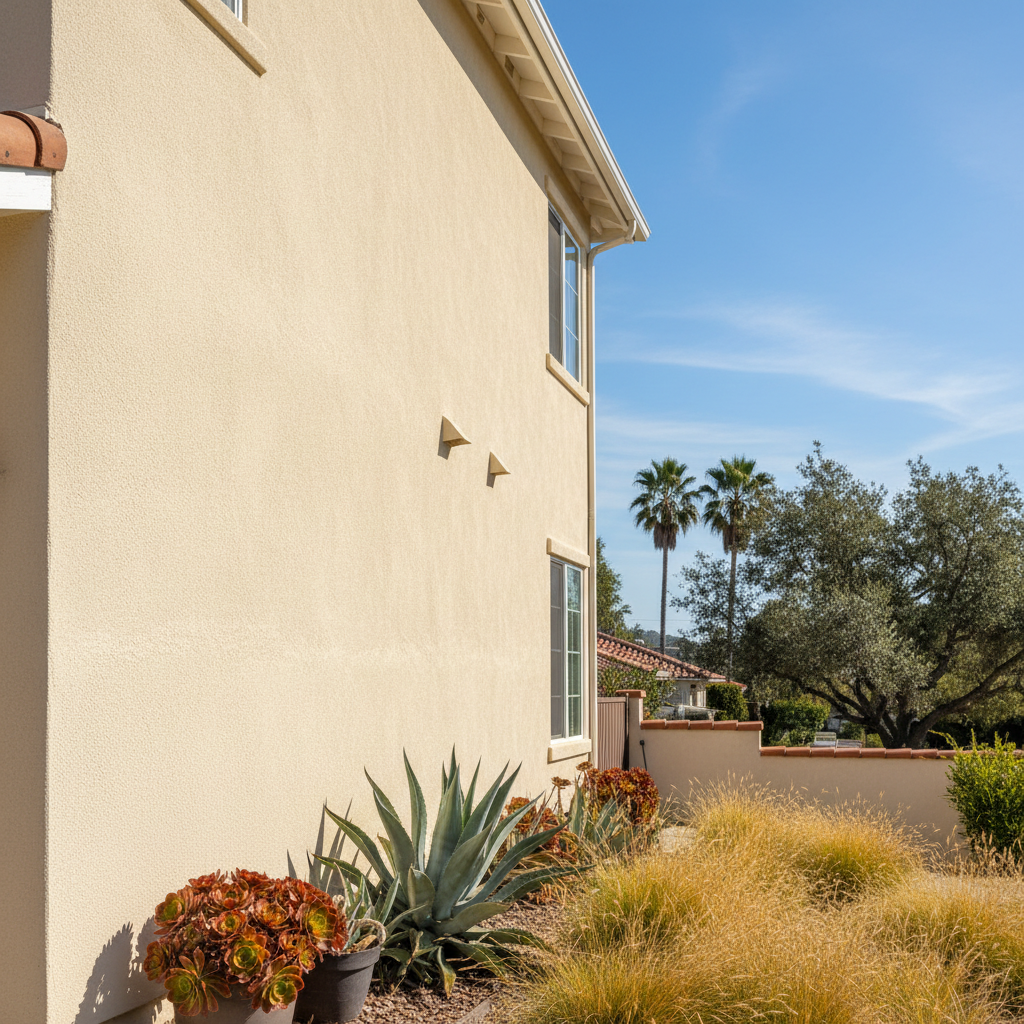
Think your stucco just takes care of itself? Not exactly. While it's one of the most durable finishes you can put on a house, especially here in Santa Monica, a little regular attention goes a long way. I've seen firsthand what happens when homeowners ignore the signs, and trust me, it's always cheaper to deal with small issues before they become big headaches.
Extend Your Stucco's Life: Simple Habits
You want your stucco to last, right? Good. A lot of its longevity comes down to preventing water intrusion. Our coastal climate, with its marine layer and occasional heavy rains, means water is always looking for a way in. Here’s what you can do:
- Keep your gutters clean: This is huge. Clogged gutters overflow, sending water cascading down your stucco walls, often pooling at the foundation. That's a recipe for disaster. Clean them out at least twice a year, maybe more if you have lots of trees.
- Trim back foliage: Bushes, trees, and vines growing directly against your stucco trap moisture. They also create pathways for pests and can physically damage the surface. Give your stucco some breathing room.
- Check your sprinklers: Make sure your irrigation system isn't constantly drenching your stucco. The constant wetting and drying cycle can lead to staining, efflorescence, and even degradation over time. Adjust those heads!
- Maintain paint and sealants: If your stucco is painted, keep an eye on the paint job. Cracking or peeling paint can allow water to penetrate. Same goes for sealants around windows, doors, and utility penetrations. These are your first line of defense.
Regular Maintenance: What to Look For
You don't need to be a stucco expert, but a quick walk-around your house a couple of times a year can save you a fortune. Here’s what I tell my clients to check:
- Look for cracks: Small hairline cracks are normal, especially with temperature changes. But anything wider than a credit card, or cracks that form a spiderweb pattern (called crazing), need attention. Cracks around windows and doors are particularly concerning.
- Check for discoloration or staining: Dark streaks, green patches, or white powdery residue (efflorescence) can all indicate water problems. Green or black usually means algae or mold, which means moisture. White powder means salts are leaching out, also a sign of water.
- Inspect for bulging or soft spots: Push gently on your stucco in a few places. Does it feel soft or spongy? Does it sound hollow when you tap it? These are major red flags that water has gotten behind the stucco and is damaging the substrate.
- Examine flashing and sealants: Look at the metal flashing above windows, doors, and at the roofline. Is it intact? Are the caulk lines around windows and doors still sealed? Any gaps are an invitation for water.
When to Call a Pro (Like Santa Monica Stucco & Plastering)
You can handle the basic cleaning and observation, but some things really do require an experienced eye and the right tools. Don't try to fix major stucco issues yourself; you could make things worse. Here’s when to pick up the phone:
- Large or widespread cracking: If you've got cracks that are wide, long, or covering a significant area of your wall, that's beyond a DIY patch job. It could indicate structural movement or serious water damage.
- Bulging, soft spots, or delamination: If your stucco is detaching from the wall, feels spongy, or has visible bulges, you've got water intrusion and potentially rot underneath. This needs immediate professional assessment to prevent further damage.
- Persistent moisture issues: You've cleaned your gutters, trimmed your plants, and adjusted your sprinklers, but you still see constant staining, mold, or efflorescence. There's likely a deeper issue with water management or drainage that a professional can diagnose.
- Damage from impact or severe weather: A car hitting the wall, a tree branch falling, or even just years of sun exposure on the west-facing walls of a typical Santa Monica bungalow can cause significant damage that requires proper repair techniques and matching textures.
- Before exterior painting: If you're planning to repaint your stucco, it's a perfect time to have a stucco contractor inspect the surface. We can identify and repair any underlying issues before they get sealed under a fresh coat of paint, which is exactly what you want to avoid.
Taking care of your stucco isn't rocket science, but it does require paying attention. A little proactive maintenance now can save you from costly repairs down the line. Keep an eye on things, and if you spot something that looks off, don't hesitate to reach out. We're here to help keep your home's exterior solid.