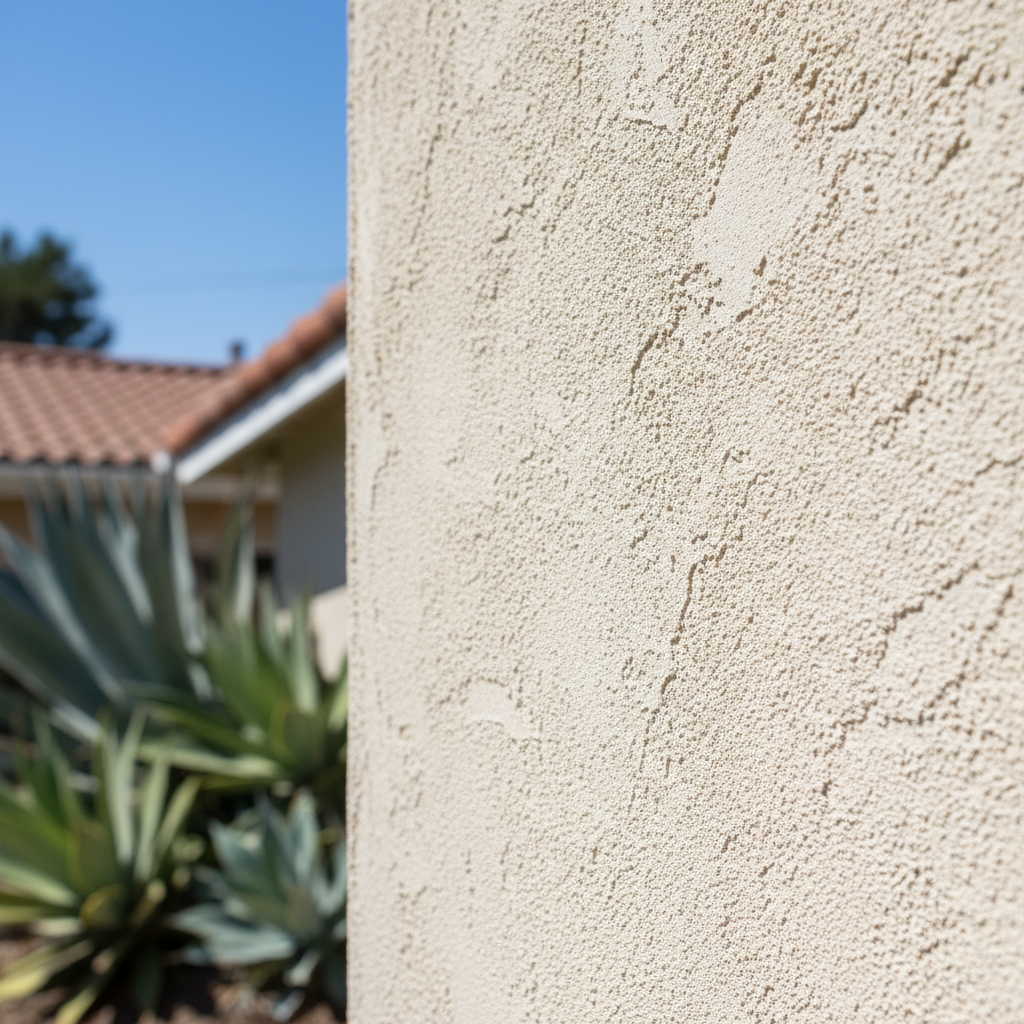
Alright, let's talk stucco. It's on your house, and just like anything else, it needs a little looking after now and then. A lot of folks think inspecting stucco is some big mystery, but honestly, there's plenty you can do yourself to keep an eye on things. Knowing what to look for can save you a headache — and a good chunk of change — down the road. So, whether you're just curious, thinking about a repair, or you just had some work done, here's my take on stucco inspection for your Santa Monica home.
Before You Start Any Stucco Project
Before you even think about getting bids or letting someone touch your walls, you really need to know what you're dealing with. This is your chance to be proactive. Walk around your house, really look at the stucco. You're not looking for perfection; you're looking for problems. Here's what I tell my neighbors to keep an eye out for:
- Cracks: Not all cracks are created equal, you know? Hairline cracks are pretty common, especially with the temperature swings we get here near the coast. But if you see cracks that are wider than a credit card, or if they're running horizontally or in a spiderweb pattern, that's a red flag. These can let water in, and once water gets behind stucco, you've got bigger issues.
- Discoloration or Stains: Dark streaks, especially under windows or near the roofline, usually mean water's been running down there. Green or black patches could be algae or mold, which suggests constant moisture. You'll often see this on the north-facing walls in Santa Monica, where the sun doesn't hit as much to dry things out.
- Bulges or Soft Spots: Gently press on the stucco in different areas. If it feels soft, spongy, or you see any bulging, that's a serious sign of water damage behind the wall. That stucco isn't properly adhered anymore, and the substrate underneath is likely compromised.
- Efflorescence: This looks like a white, powdery residue. It's mineral salts left behind when water evaporates from the stucco. It means water is getting into the wall and then drying out, leaving those salts. It's a clear indicator of moisture intrusion.
- Impact Damage: Dings, chips, or holes from landscaping equipment, kids playing, or even just general wear and tear. These breaches in the stucco are open invitations for water.
- Flashing and Sealant Issues: Look at where the stucco meets other materials – windows, doors, rooflines, utility penetrations. Is the flashing intact? Is the sealant cracked, missing, or pulling away? These are critical areas for keeping water out.
If you spot any of these bigger issues, or if you're just not sure what you're looking at, that's when you call a pro. Don't guess. A good stucco contractor, like us at Santa Monica Stucco & Plastering, can do a thorough inspection to pinpoint the exact cause and extent of the damage. We've got the tools and the experience to see what's really going on behind your walls.
During the Stucco Project
Okay, so you've hired someone to do some stucco work. Great. But your job isn't over. You're still the homeowner, and you should be paying attention. You don't need to hover over them, but a little oversight goes a long way. Here's what you should be checking:
- Surface Prep: Is the old, damaged stucco being properly removed? Are they cleaning the substrate? If they're patching, are the edges of the existing stucco clean and sound? You can't put good new stucco over bad old stucco, right?
- Moisture Barrier: This is huge. For traditional stucco, you absolutely need a proper moisture barrier (like two layers of Grade D building paper or a synthetic equivalent) installed correctly. Make sure it's shingled properly, especially around windows and doors, so water drains out, not in.
- Lath Installation: If it's a new application or a big repair, you'll see metal lath going up. Check that it's securely fastened and not sagging. The lath holds the stucco in place, so it's gotta be tight.
- Application Thickness: Stucco isn't paint; it needs to be applied in specific thicknesses for strength and durability. You won't be measuring with calipers, but you can usually tell if it looks too thin or skimpy.
- Curing: Are they keeping the stucco moist during the initial curing phase? Especially on hot, dry Santa Monica days, this is crucial. Proper curing prevents cracks and ensures the stucco reaches its full strength. You might see them misting it or covering it with plastic.
- Cleanliness: A good crew cleans up after themselves. You shouldn't see a huge mess of stucco debris all over your yard or landscaping.
If something looks off or you have a question, ask! Don't be shy. A reputable contractor will be happy to explain what they're doing and why.
After the Stucco Project is Done
The work's finished, the crew's gone, and your house looks great. But don't just forget about it. A final inspection, both by you and ideally by the contractor, is important. Here's what to look for:
- Uniformity: Does the new stucco match the old? Is the texture consistent? Are there any noticeable color variations? Sometimes color differences are unavoidable with patching, but it shouldn't be drastically different.
- Smoothness and Finish: Run your hand over the surface (carefully, it might be rough). Are there any major trowel marks, bumps, or inconsistencies that weren't there before?
- Cracks (again): Give it a few weeks, even a month. Small hairline cracks might appear as the stucco fully cures. These are usually fine. But if you see wider cracks or patterns of cracking, that's something to bring up with the contractor.
- Water Drainage: After the first good rain, go out and check. Is water shedding off the walls properly? Are there any new streaks or signs of water pooling where it shouldn't? This is especially important around those flashing and sealant areas we talked about earlier.
- Sealant Integrity: Re-check all the sealant joints around windows, doors, and other penetrations. They should be clean, smooth, and fully bonded to both surfaces.
Your stucco is a big part of your home's protection and curb appeal. Taking a little time to inspect it yourself, and knowing when to call in a professional, can save you a lot of grief. It's your home, so stay informed and don't hesitate to ask questions. That's what I'd do.